~200 first-hand accounts of what it means to be young in India today
First-generation students, youth workers, and young people making their way through education, work, and enterprise — in their own words.
Aspiration
Dreams that refuse to be contained by circumstance.
Just because I started from a lower level doesn’t mean I can’t move upwards — that belief is what keeps me going.
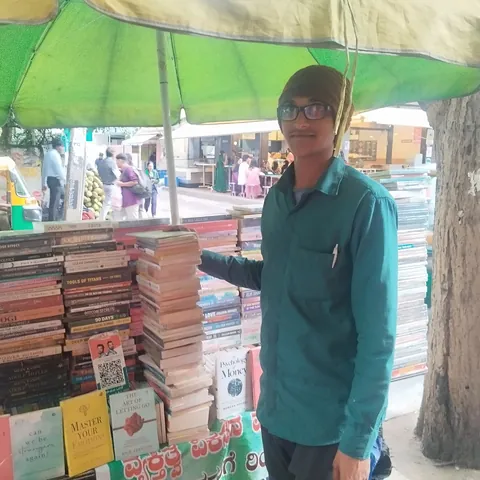
I used my background as motivation—not as a limitation—to learn more and move forward.
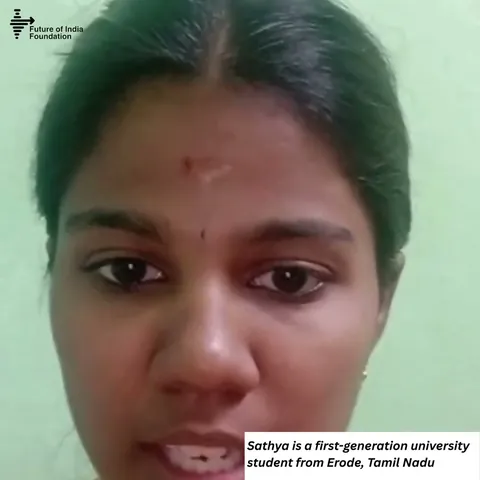
Success, for me, means independence—the freedom to make my own choices and have control over my life.
Lack of Information
Opportunities missed because no one told them they existed.
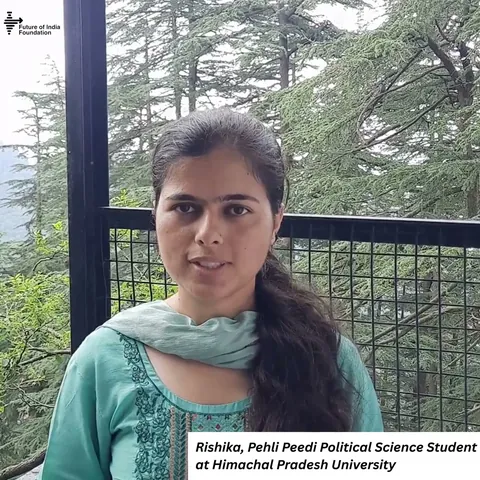
Resilience
Moving forward despite the odds.
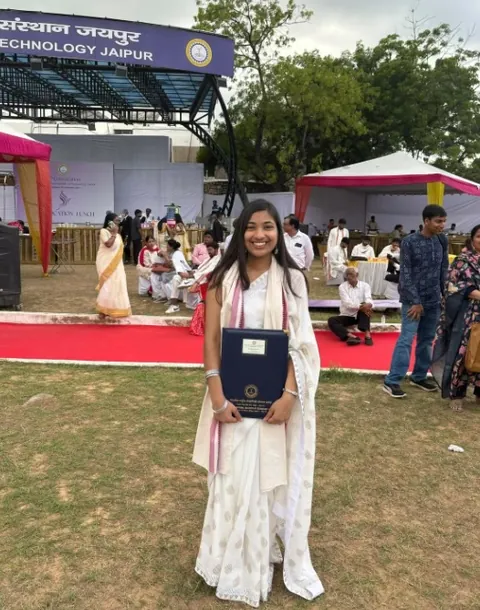
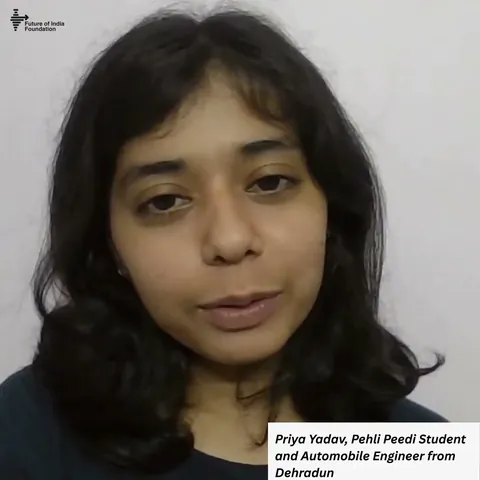
For us, education was not something that was passed down—it was something we had to start on our own.
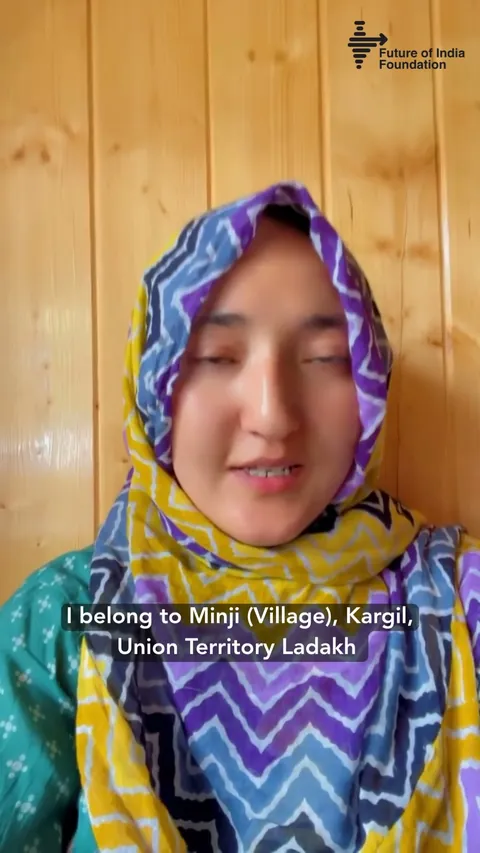
As the eldest daughter, I carry a huge responsibility. After my father, the family looks to me for financial decisions.
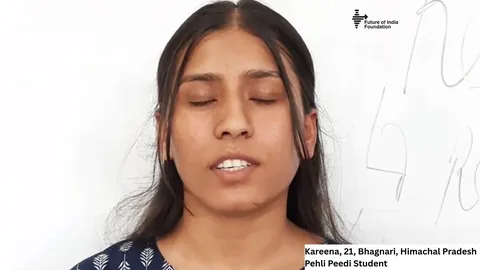
Hard work never provides shortcuts, but it always takes you somewhere meaningful.

The Person Who Believed in Them
Family and mentors who saw potential when the system didn't.
I owe my entire education to [my mother]; I am nothing without her. She made paper bags at home, and together we sold them to shopkeepers.
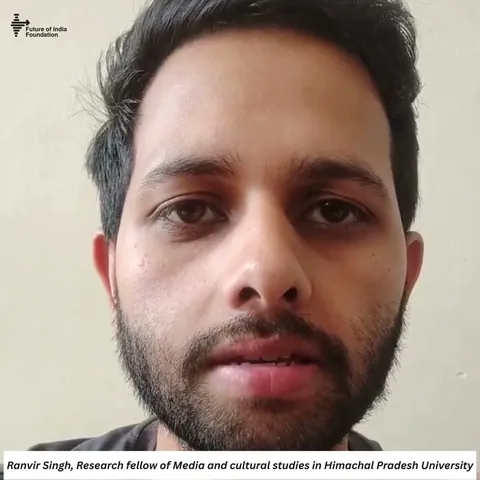
The path may be difficult, but it is not impossible.
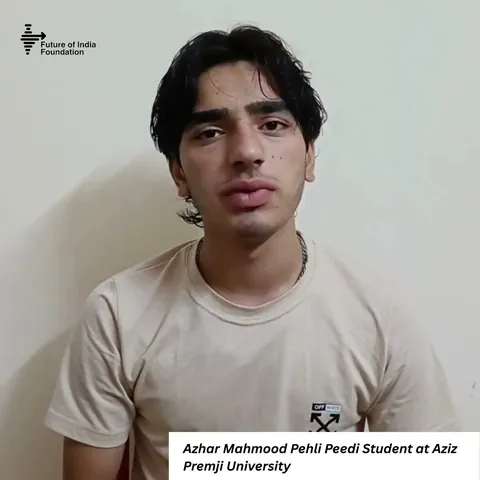
My father and my entire family have always trusted me and encouraged me to study.

Becoming
The slow, hard work of building yourself when no one's paved the way.
Education didn’t just give me a degree—it gave me language for my experiences and the courage to believe I belonged.

I started working on myself and slowly began discovering what I'm truly good at.
When you come from a background like mine, confidence is something you build—not something you inherit.
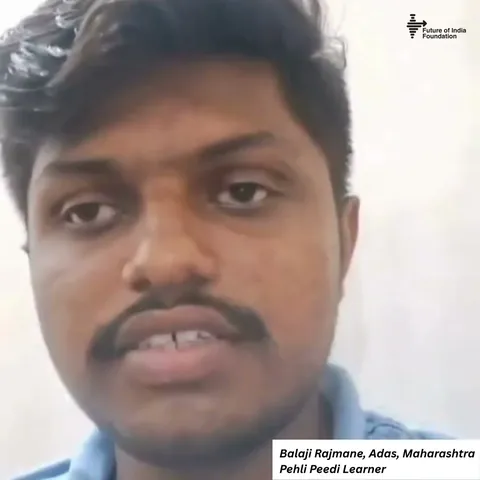
Dreams Interrupted
Heartbreak in young India.
Sometimes, I feel like it’s too late for me. I don’t know if I can pursue my dreams now. I have shouldered too many responsibilities from a young age—I started working when I was eleven.
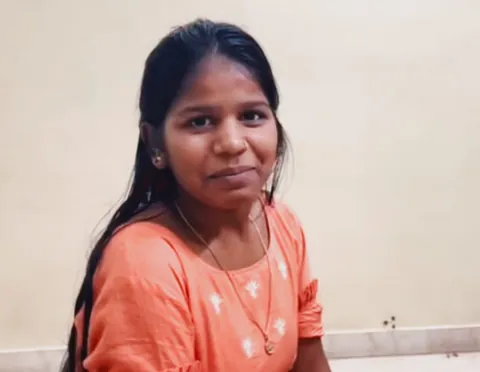
I studied at the village school until the 8th grade, but I had to leave as my family needed extra hands on the farm.
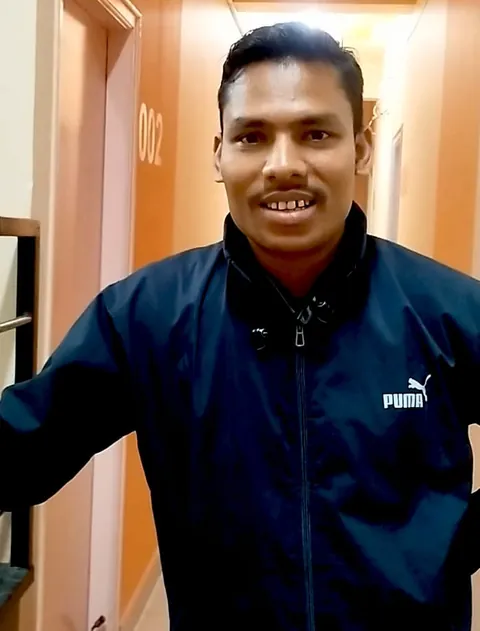
Every day, as I glance at the university gate, I'm reminded of how much I wanted to be on the other side.
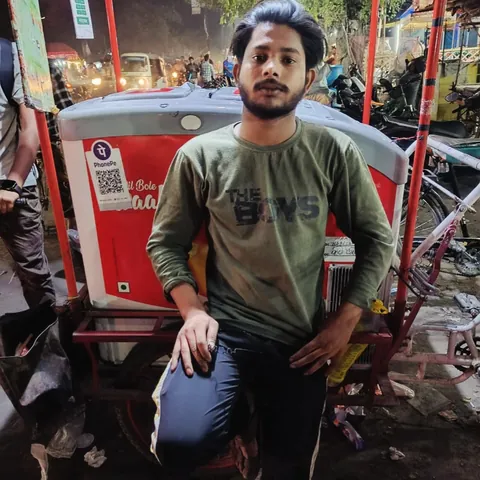
Identity and Belonging
Navigating questions of faith, caste, gender, and what it means to belong.
From the outside, you wouldn’t even know—I practise my religion quietly. For me, faith is about a personal connection, not performance.

For me, being Indian simply means being a citizen of India—nothing more, nothing less.
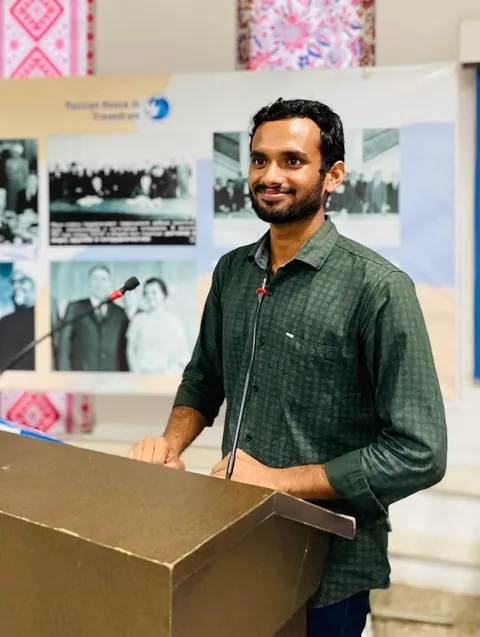
People would say things like, ‘You SC students are always complaining about your lack of privilege and your background.’
Working to Support Family
Taking on family responsibilities before personal aspiration.
At the end of the day, it’s about survival. I’ve had to struggle all my life, and I can’t stop now. I have a family to take care of.
I have seen my father working multiple jobs and my mother taking up house help work just to make sure I get an education.
At one point, we were under so much debt that we even had to sell our ancestral land in the village. It was heartbreaking. That’s when I realized I had to step up and work to support my family instead of chasing my personal dreams.
Impact and Purpose
What motivates young people.
In social work, success cannot be defined by one milestone.
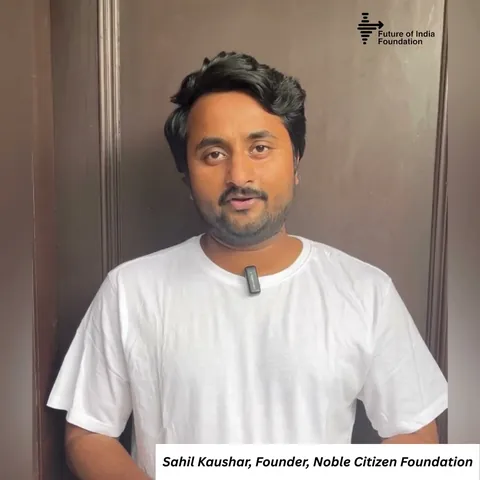
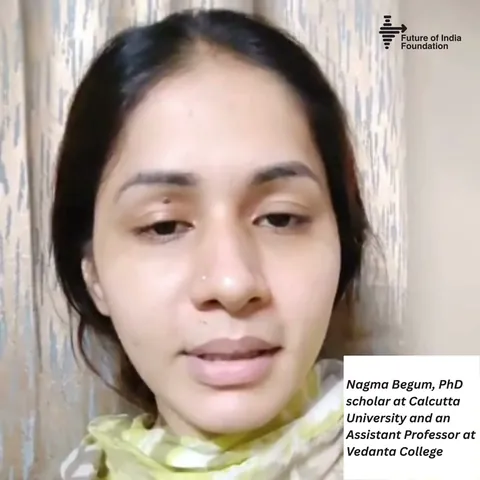
I never wanted to fight the world—only to study. But somewhere along the way, studying became my way of fighting.
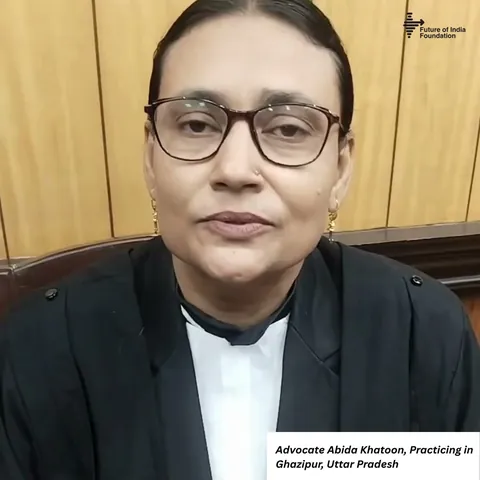
Justice is not confined to courtrooms; it lives in every village, every home, and every silent voice waiting to be heard.
These are highlights. The full archive of ~200 profiles, across all nine themes, lives on Substack.
Read the full archive ↗